
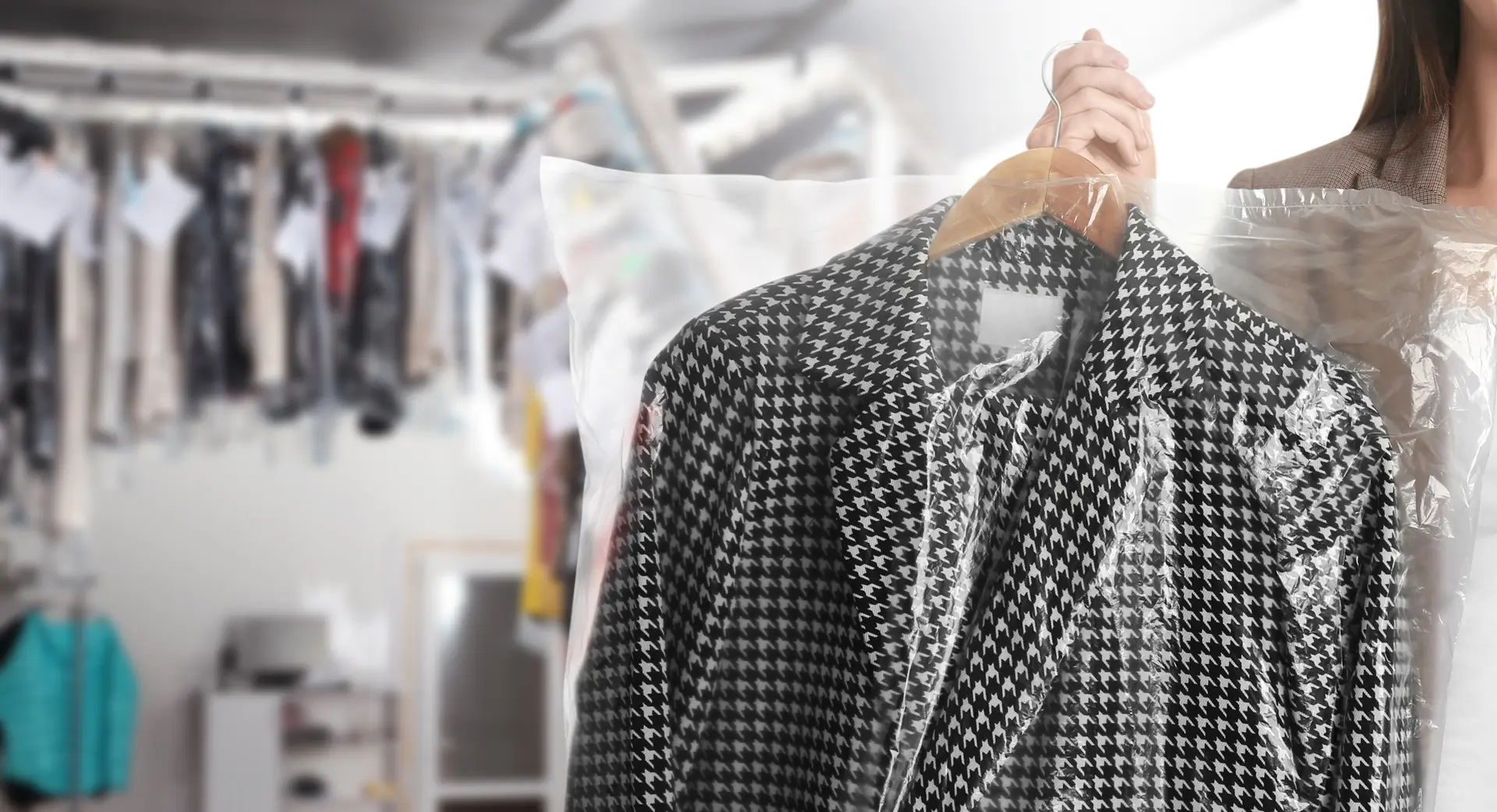
A well made blazer or a good silk dress is genuinely an investment, and most people protect that investment backwards, cleaning it often out of caution while doing nothing at all between visits. It’s the opposite of what actually extends the life of a garment.
Consistent care between cleanings, not frequent cleanings themselves, is what keeps intact structure, color, and finish for years. Here’s what that care actually looks like, from the moment you take off the piece.
Dry Clean Only Doesn’t Mean ‘Do Not Touch’
A dry clean only label doesn’t mean you should ignore a garment until stains appear. Blazers, wool coats, silk blouses, and cashmere sweaters benefit from attention after every wear. These small habits keep fabric fresh and protect the shape for which you paid.
Between professional cleanings:
- Air it out: give the garment room to release moisture and odors before returning it to the closet.
- Brush it gently: remove surface dust, lint, and hair before they settle into the fibers.
- Hang or fold it correctly: use shaped hangers for tailored pieces and fold knits to prevent stretching.
- Spot problems early: note stains, loose buttons, or pulled threads so your cleaner can address them properly.
Professional cleaning still matters, but timing matters more than frequency. Excessive cleaning can gradually soften structure and reduce a fabric’s original finish. That routine helps quality pieces look polished in year ten, not worn out by year three.
Between Wearings: The Three Habits That Extend Time Between Cleanings
A garment doesn’t need a trip to the cleaner every time it touches your skin. Most of what makes clothes feel done after one wear is surface level: a little dust, some body oil near the collar, the faint smell of the day. None of that requires solvent. Three habits handle almost all of it:
- Brush it off. A few passes with a natural-bristle garment brush lift dust and debris before they work into the weave.
- Let it air out. Hanging a piece in open air for a few hours resets it far more than a hanger swap ever will.
- Let the dampness dry fully before storing it. Sweat, humidity, even a light drizzle needs to evaporate before a garment goes back into a closed closet.
Stay consistent with these three, and most wool and silk pieces can go three, four, even five wears between actual cleanings, depending on how often and how hard you wear them.
Brushing, Airing, and the Overnight Rest Every Wool Suit Needs
Wool keeps its shape by maintaining its natural structure. After a full day, your suit or coat has absorbed moisture, flattened at key contact points, and carried tension through its seams.
Give your wool garment a simple overnight reset:
- Choose the right hanger: support the shoulders with a sturdy, shaped hanger.
- Create breathing room: place the garment somewhere airy, away from tightly packed clothing.
- Allow 24 hours: let moisture evaporate and the fibers relax before wearing or storing it again.
- Brush with the weave: use smooth, downward strokes instead of brushing against the fabric.
- Target contact zones: pay close attention to the collar, cuffs, underarms, and seat.
This short routine lifts surface dust, restores the nap, and helps the garment return to its intended shape. Build it into your after-wear habits, and your best wool pieces will stay sharper, feel fresher, and require fewer unnecessary trips to the cleaner.
Between Cleanings: Choosing Hangers and Storage That Preserve Shape
Your storage choices affect the shape of a garment. Wire hangers suit transport, not long-term care. Leave a wool blazer on one for weeks, and its shoulders may reflect the hanger instead of the tailoring.
Build a wardrobe setup that protects each piece:
- Choose contoured hangers: support suits, coats, and structured jackets with sturdy wooden hangers.
- Use padded options: protect silk blouses, delicate dresses, and garments prone to slipping or creasing.
- Consider cedar: cedar manages moisture and discourages moths without leaving a mothball odor.
- Leave breathing room: keep a few inches between pieces so air can circulate and finishes stay smooth.
- Remove plastic covers: dry cleaning bags trap humidity, so use them only during transport.
With the right system, good storage requires little effort. Proper support and airflow help quality garments hold their lines, resist wrinkles, and look polished between professional cleanings.
Handling Small Spills Without Making Them Worse
A spill on a dry clean only garment is not an emergency, but your first response matters. Scrubbing may feel productive, yet it pushes the substance deeper into the fibers and spreads it beyond the original spot. A slower approach protects the fabric and gives your cleaner a better chance of removing the stain completely.
The Blot Only Rule and the Home Remedies That Ruin Professional Recovery
Follow this simple response plan:
- Stop and assess: identify what spilled, especially if it contains oil, alcohol, dairy, or dye.
- Blot straight down: press a clean, dry, white cloth onto the spot, then lift it away.
- Rotate the cloth: use a fresh section with each press to avoid transferring the stain back onto the fabric.
- Let the garment rest: keep it away from direct heat, which can set stains or distort delicate fibers.
Skip these common quick fixes:
- Scrubbing or rubbing the fabric.
- Adding water, club soda, or vinegar.
- Applying stain pens or household spot removers.
- Using products labeled safe for delicates without knowing how they affect the dye or weave.
Blotting controls the spill; it does not replace professional treatment. Take the garment to your cleaner promptly and explain what caused the mark, when it happened, and whether anything touched it afterward.
Storing Dry Clean Only Pieces at Season’s End Without Damage
Before storing a dry clean only garment for the season, clean it, even if it looks spotless. Invisible oils and residue attract pests and can weaken or yellow fabrics.
Follow this end-of-season checklist:
- Clean first: remove hidden residue before it settles into the fibers.
- Use breathable protection: choose a fabric garment bag instead of the cleaner’s plastic cover.
- Pick a stable location: store pieces in a cool, dark closet with steady humidity.
- Skip attics and basements: shifting temperatures and moisture can stress wool, silk, and other delicate fabrics.
- Allow breathing room: leave space around each piece to prevent trapped moisture and stale odors.
Traveling With Dry Clean Only Garments Without Compromising Them
Tight packing can undo months of garment care. Heat, pressure, and sharp folds set creases in wool suits and silk dresses, while overloaded luggage can flatten tailored structure.
Use this travel routine:
Choose a garment bag: even a fold-over style protects structured pieces from surrounding luggage.
- Pack strategically: place the garment on top so heavier items cannot compress it.
- Roll flexible pieces: loosely roll suitable unstructured garments to reduce hard fold lines.
- Unpack immediately: hang everything when you arrive and give the fibers time to relax.
- Steam carefully: when the care label permits, use gentle steam instead of direct ironing.
Avoid hotel rush cleaning unless you truly need it. Speed may take priority over individualized care. Smart packing keeps your best pieces polished and ready for the occasion.
How to Actually Tell When a Piece Needs to Go In
This is the question people ask most, and the honest answer is that a calendar isn’t the right tool for it. A few real signals matter more than a fixed schedule:
- Visible soil or a stain that airing hasn’t resolved. If it’s still there after a full rest cycle, it’s set into the fiber.
- Odor that lingers after airing out. A garment that still smells like the day after 24 hours of open air has absorbed something brushing can’t lift.
- Fabric that feels limp or has lost its crispness. Wool and structured fabrics have a certain hand feel to them when fresh. When that softens noticeably, cleaning restores it.
- Visible shine or crushed nap in high-wear spots. Seats, elbows, and collars show wear first.
Remember, too, that a care label only tells you the one method the manufacturer is willing to stand behind under federal labeling rules. It’s not necessarily the only method that works, and it’s not a signal for when to use it. A professional cleaner can usually tell more from handling the piece than any label.
The Ownership Habits That Add Years to Every Piece You Own
Good garment care takes little time. It depends on a few consistent choices:
- Keep a quality clothes brush near your closet.
- Air garments before returning them to storage.
- Match each piece with a supportive hanger.
- Blot spills and let your cleaner handle the stain.
- Schedule professional cleaning when the garment needs it, not after every wear.
These habits protect the shape and finish that made each piece worth buying. Treat your wardrobe as an investment, and your best garments will stay polished, wear beautifully, and serve you longer.
When the Label Says Dry Clean Only, Choose Faulkner’s Dry Cleaning and Laundry
Dry clean only pieces stay in better shape when they are cleaned only as needed and finished in a way that supports their original structure. Faulkner’s Dry Cleaning and Laundry provides thoughtful dry cleaning for structured and delicate garments without treating every piece like a routine load.
When you need a dry cleaner in Dallas, Texas, drop off an item for a free assessment or reach out from our website or phone, and our team will tell you honestly if it needs professional cleaning now or it can wait.
Address:4225 Oak Lawn Ave., Dallas, TX, 75219
Phone: +1 214-521-1100