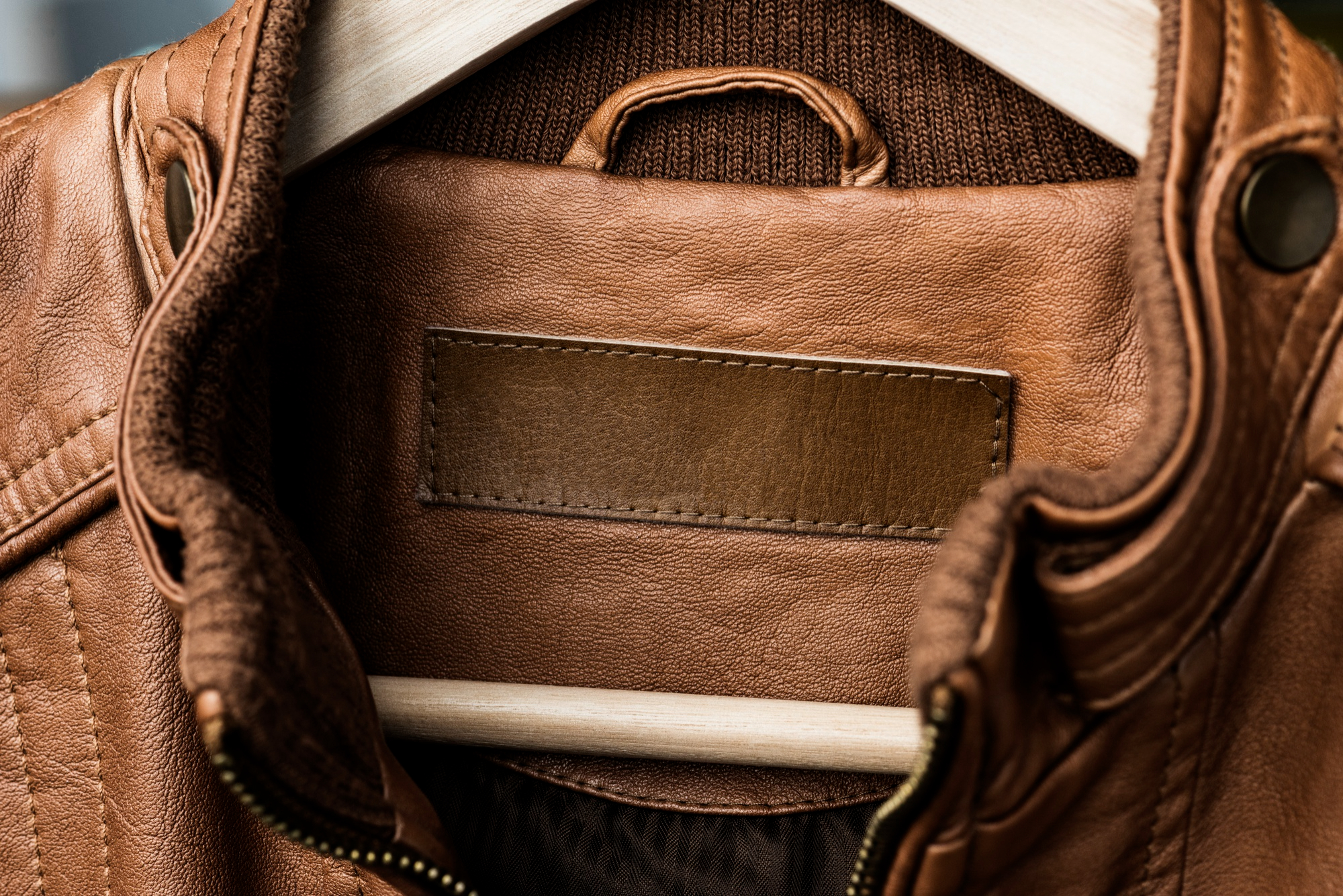
Leather can last for decades, thanks to its durable material and dense fibers that only get better with age. But that longevity depends entirely on proper care. Instead of aging beautifully, some jackets start to crack or lose their color within just a few years. And for something so high end, that kind of wear feels especially disappointing.
Everything from cleaning products to climate affects how leather ages. Even how often you wear it makes a difference in its lifespan. In this post, we walk you through the five reasons jackets wear out early and how to keep yours thriving.
1) Using Harsh Cleaning Products That Strip Natural Oils
Leather may be tough, but it’s still skin, and like skin, it dries out fast when exposed to the wrong products. Many people grab alcohol-based cleaners, baby wipes, or general-purpose sprays without realizing how harsh they are on natural fibers.
These products strip away the oils that keep leather flexible and hydrated, leading to cracking, stiffness, and discoloration that’s almost impossible to reverse.
What to Avoid and What to Use Instead
Before you reach for whatever’s under the sink, here’s what you need to know about keeping your jacket clean the right way.
- Skip anything with alcohol or ammonia. These chemicals instantly pull moisture out of the hide, leaving it chalky and dry.
- Baby wipes aren’t your friend. They might feel gentle, but most contain ingredients that break down leather finishes.
- Household sprays and detergents cause permanent dullness. Even a single use can alter the surface texture of the jacket.
- Use pH-balanced leather cleaners. The best cleaner for leather jackets mimics the natural acidity of the hide and won’t strip oils.
- Always do a spot test. Apply any new product on a hidden area first to check for color fading or residue.
When you protect your jacket from harsh chemicals and choose professional leather cleaning methods instead, you help the material stay soft, strong, and naturally beautiful for decades to come.
2) Skipping Regular Conditioning and Moisture Protection
If cleaning is step one, conditioning is step two, and it’s just as important. Leather needs regular nourishment to stay supple and prevent cracking, yet it’s one of the most overlooked steps in care.
Without conditioning, the material slowly loses its flexibility and starts to feel stiff and brittle, especially around high-movement areas like elbows and shoulders.
How to Keep Leather Moisturized and Protected
Let’s break down how proper conditioning keeps your jacket in prime condition.
- Condition every few months. Apply a small amount of leather conditioner at least three to four times a year, or more often if you live in a dry climate.
- Look for natural, non-greasy products. The best formulas contain beeswax or lanolin and soak in evenly without leaving residue.
- Avoid over-conditioning. Too much product can clog the pores and make leather lose its breathability.
- Add a moisture barrier. A light weatherproofing spray keeps rain and humidity from seeping into the fibers.
- Massage it gently. Use a soft cloth and circular motions to help the conditioner absorb fully into the grain.
A properly conditioned jacket feels soft, flexible, and ready for anything. Once you add conditioning to your care routine, you’ll notice how much longer your leather holds its shape and color.
3) Storing Leather Jackets in the Wrong Environment
Even the highest-quality leather jacket can lose its shape or texture if it’s stored incorrectly. Hanging it in a damp closet, draping it over furniture, or zipping it into a plastic bag might seem harmless, but these mistakes can cause lasting damage. Leather needs airflow to stay healthy, and humidity or trapped moisture leads to mold, odor, and permanent wrinkles.
Best Practices for Leather Storage
A little awareness goes a long way when it comes to proper storage.
- Use wide, padded hangers. They maintain shoulder shape and prevent creases.
- Never use plastic garment bags. Plastic traps moisture; opt for breathable cotton covers instead.
- Keep away from direct sunlight. UV rays fade leather and dry it out over time.
- Store in a cool, dry space. Avoid basements, attics, or anywhere prone to temperature changes.
- Stuff the sleeves lightly. Use tissue or soft cloth to help maintain structure during long-term storage.
Storing leather properly is just as critical as cleaning it. By creating the right environment, you can prevent unnecessary wear and ensure your jacket looks fresh and ready every time you pull it out.
4) Wearing Them in All Weather Without Proper Protection
Rain, snow, and sunshine all take a toll on leather, even if it looks fine at first glance. Water stains, salt marks, and UV exposure can slowly degrade the fibers, making the jacket lose color and texture. Without protection, you’ll start to notice uneven patches, stiffness, and even peeling, especially around seams and cuffs.
Weatherproofing and Maintenance Tips
A little foresight goes a long way toward weatherproofing your investment.
- Avoid wearing untreated leather in heavy rain. If you get caught in a storm, blot moisture gently and let it air-dry; never use heat.
- Apply a water-repellent spray. Choose one labeled for leather or suede to protect against both water and salt damage.
- Condition after exposure. Once it’s completely dry, apply a conditioner to replace lost oils and prevent cracking.
- Limit direct sun exposure. Long-term sunlight can fade leather pigments and dry out the material.
- Rotate jackets seasonally. Give each one time to rest between wears, especially during extreme weather months.
Your leather jacket isn’t meant to brave every storm. However, with the right prep and care, it can handle everyday elements without losing its iconic look or comfort.
5) Avoiding Professional Leather Cleaning When It’s Needed
Many people put off professional leather cleaning because they think it’s unnecessary, or worse, they assume it’s just like dry cleaning. But professional leather cleaning goes deeper. Ignoring this service means letting that buildup break down the fibers from within, slowly turning a beautiful jacket dull and fragile.
Benefits of Professional Leather Cleaning
Here’s how expert cleaning keeps your leather looking brand new.
- Removes deep-seated oils and dirt. Home methods can only clean the surface; professionals extract buildup that causes long-term damage.
- Neutralizes odors naturally. Specialized cleaning processes eliminate smoke, perfume, and musty smells without masking them.
- Prevents discoloration. The best leather jacket cleaning involves products designed to maintain the original hue and shine.
- Restores moisture balance. After cleaning, experts rehydrate the material with conditioners that keep it soft and smooth.
- Extends lifespan. Regular cleaning every 6–12 months can easily add decades to the lifespan of your jacket.
If you’re serious about keeping your jacket in top shape, a leather cleaning specialist is the person you want on your side. Professional care doesn’t just clean, it preserves the craftsmanship, texture, and luxury that make your jacket worth wearing for years to come.
Keep Your Leather Timeless – Let Faulkner’s Dry Cleaning and Laundry Handle the Cleaning

When it comes to luxury materials like leather and suede, ordinary cleaning methods simply won’t cut it. These timeless pieces deserve professional leather and suede cleaning handled by people who truly understand the craft.
At Faulkner’s Dry Cleaning and Laundry, our specialists combine modern cleaning technology with gentle, time-tested techniques to restore the texture, shine, and strength of your jacket. Whether it’s a simple cleaning, re-coloring, or repair, we have the skills and expertise to make your items look like new again.
Don’t wait until cracks or stains set in! Bring your leather to us today for a deep, safe clean that protects it for seasons to come.
Visit Faulkner’s Dry Cleaning and Laundry at our Dallas location or call us today at (213) 325-2896 to schedule your Professional Leather and Suede Cleaning Service. You can also book online through our website for quick, hassle-free service.