
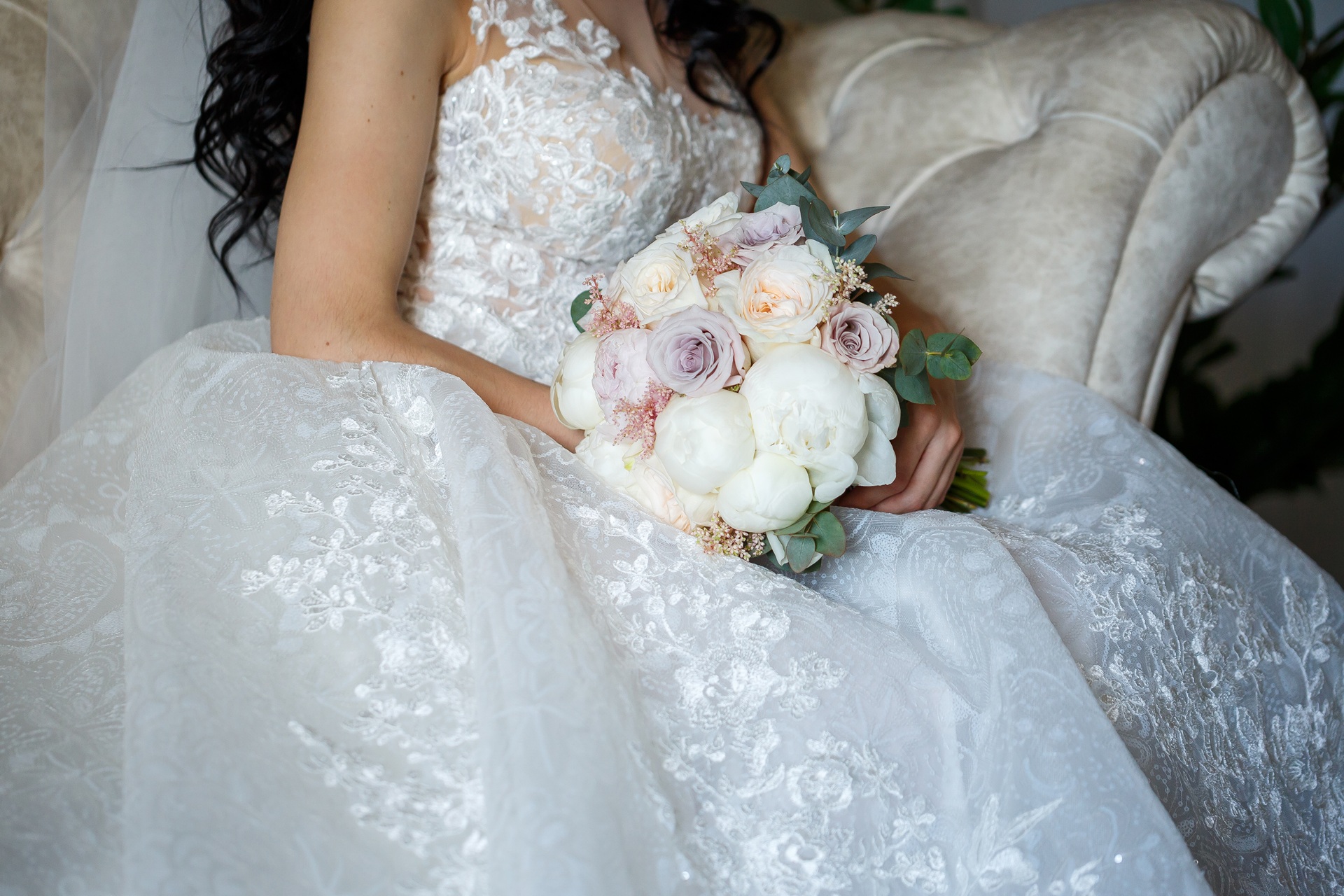
You might be standing in front of your closet, dress bag unzipped, wondering what happens next. The wedding is over, the photos are framed, and now you’re faced with another decision. Do you simply clean your wedding dress and tuck it away? Or is Wedding Dress Cleaning and Preservation Service something you should seriously consider?
Before you make a final call, let’s sort through what really happens after the wedding and how to decide the level of care your dress truly needs.
What Happens to a Wedding Dress in the First 6–12 Months After the Wedding
In the first 6 to 12 months after your wedding, your dress can begin to change, even if it appears clean. Invisible residues from perspiration, perfume, and sugary drinks trigger oxidation that gradually alters the fabric.
Minor stains may set permanently as fibers absorb these contaminants, leading to discoloration, especially in silk and satin. Storage conditions during this period are critical, as heat, humidity, and light accelerate damage.
How Fabric and Stains Actually Change Over Time
Most brides assume that if a stain is not visible, it is not a problem. In reality, the first few months are when chemical reactions begin to affect the fibers.
Here’s what commonly happens:
- Oxidation darkens clear stains such as champagne or sweat.
- Protein-based residues (from perspiration) turn yellow.
- Sugar particles attract moisture, increasing the risk of fabric breakdown.
- Silk weakens faster than synthetic blends when exposed to heat.
Professionals often receive wedding dresses a year later with underarm or hem stains that have noticeably darkened. What once seemed minor can become permanent if ignored. Most damage begins during that first year, especially when the dress hasn’t been properly cleaned or stored.
Why Cleaning Alone Isn’t the Same as Preservation
It’s easy to think that cleaning your wedding dress wraps up the process. After all, it removes stains and restores its appearance. But cleaning focuses on today, not ten or twenty years from now. Preservation adds long-term protection through specialized packaging and careful storage.
What Professional Preservation Adds That Cleaning Does Not
Professional preservation includes protective steps that go beyond basic cleaning. It helps stabilize delicate fabrics and prepares the dress for long-term storage.
Preservation service typically includes:
- Targeted stain treatment for invisible residues
- pH-balanced processing to stabilize delicate fabrics
- Acid-free tissue paper to cushion folds
- Archival preservation boxes that reduce environmental exposure
- Sealed or museum-style packaging options
Acid-free materials matter because regular cardboard and paper slowly release acids as they age. Those acids can cause yellowing and damage the fabric. Cleaning makes the dress ready to store. Preservation helps keep it in good condition over time.
The Most Common Storage Mistakes Brides Make
After your wedding, you might store your dress quickly without thinking about how it could affect the fabric over time. If you place it in a plastic garment bag, moisture can get trapped inside. Regular cardboard boxes can slowly damage the material, and attics or basements often expose dresses to heat, humidity, or pests. Leaving your dress hanging for too long can stretch the seams, especially if it’s heavy.
How to Store a Wedding Dress Safely at Home (If You’re Waiting)
If you are not ready to pursue preservation immediately, use these short-term safeguards:
- Choose a breathable cotton garment bag, not a plastic bag.
- Store in a climate-controlled closet, not an attic or basement.
- Support heavy dresses by folding them gently rather than hanging them for extended periods.
- Place acid-free tissue between folds to reduce creasing stress.
- Avoid direct sunlight or exposure to fluorescent lighting.
These steps don’t replace professional preservation, but they can help lower the risks while you decide what to do next. Storing your dress properly helps keep it in good condition temporarily.
Is Preservation Necessary If You Don’t Plan to Wear It Again?

You may hesitate to preserve your dress if you know you won’t wear it again, and that’s completely understandable. Preservation isn’t about putting it back on; it’s about protecting the fabric and the memories tied to it.
Even if it stays stored away, you might want it in good condition for a future family member or keepsake project. Not every dress requires full preservation, but delicate fabrics and heirloom-quality dresses benefit the most.
Evaluating Sentimental and Long-Term Value
Ask yourself a few honest questions:
- Does this dress represent a milestone you want to preserve?
- Could a future child or relative reuse or redesign it?
- Might you repurpose it into a christening gown, robe, or keepsake?
- Is the fabric delicate enough to deteriorate without protection?
If the dress means more to you than the cost of preserving it, the choice becomes easier. If you plan to sell it soon, professional cleaning may be all you need. Preservation isn’t required, but it helps protect a dress you want to keep in good condition for years.
How to Decide Before You Seal the Box
The decision often comes when you’re about to store your dress and wonder if preservation is necessary. It’s an important step, since sealing it without proper preparation can trap moisture or residue inside. Even slight dampness can cause mildew. Before putting it away, confirm the dress has been thoroughly cleaned and is completely dry.
A Simple Pre-Storage Decision Checklist
Before sealing the box, confirm:
- Has the dress been professionally cleaned? Surface dirt and invisible contaminants should be addressed first.
- Is the dress completely dry? Even minimal moisture can trigger mildew.
- Is the storage area climate controlled? Avoid spaces with seasonal temperature swings.
- Are the packaging materials acid free? Standard boxes and tissue can speed up fabric breakdown.
If any of these questions make you unsure, preservation may be the better option. Searching for wedding dress preservation can help you find and compare local experts. Making a careful choice now can prevent damage to your dress later.
Before You Seal the Box, Let Faulkner’s Dry Cleaning and Laundry Protect Your Wedding Dress
As you decide whether preservation is truly necessary, remember that the first year after your wedding is when most fabric damage begins. Sealing your dress without proper cleaning and protection can lead to yellowing, oxidation, and permanent staining.
If you want your dress to look the same years from now as it does today, professional Wedding Dress Cleaning and Preservation Service is the safest step forward. At Faulkner’s Dry Cleaning and Laundry, we specialize in both wedding dress cleaning and long-term preservation.
Our experienced specialists carefully inspect and pretreat stains, clean using environmentally safe Ecosolve, and package each dress with acid-free materials to help prevent discoloration and oxidation.
Have questions before you box up your dress? Call Faulkner’s Dry Cleaning and Laundry in Dallas at (213) 325-6397 or email us at info@faulknercleaners.com.